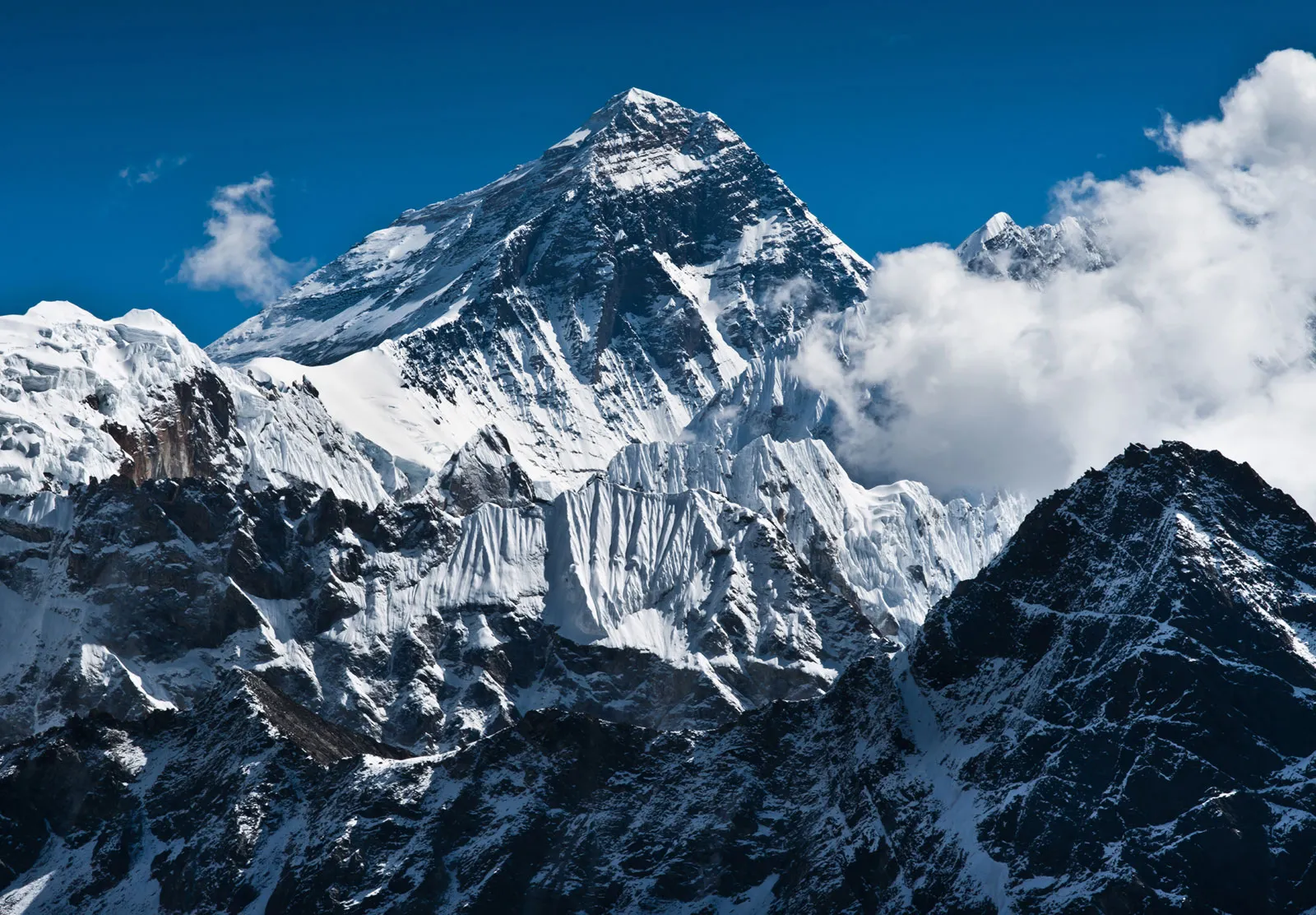
Mount Everest, standing at an awe-inspiring height of 8,848.86 meters (29,031.7 feet), is the highest mountain in the world. Located in the Himalayas on the border between Nepal and the Tibet Autonomous Region of China, it has become a symbol of human endeavor and adventure. Known as "Sagarmatha" in Nepal and "Chomolungma" in Tibet, Everest holds a significant place in both local culture and global mountaineering history.
The mountain's formidable height and challenging conditions make it a coveted destination for climbers worldwide. The first successful ascent was achieved by Sir Edmund Hillary of New Zealand and Tenzing Norgay, a Sherpa of Nepal, on May 29, 1953. Their historic achievement opened the doors to numerous expeditions, with climbers from all corners of the globe attempting to conquer this majestic peak.
Climbing Mount Everest is not only a test of physical endurance but also of mental fortitude. The harsh weather conditions, the perilous Khumbu Icefall, and the thin air at high altitudes pose significant risks. Despite these challenges, Everest continues to attract adventurers, scientists, and nature enthusiasts, all drawn by its unparalleled beauty and the desire to reach the top of the world.
Beyond the thrill of climbing, Mount Everest also holds ecological and scientific importance. The region is home to unique flora and fauna, and its glaciers are vital sources of freshwater for millions of people. Efforts are ongoing to balance the influx of tourists with conservation initiatives, ensuring that Everest's natural splendor and cultural significance are preserved for future generations.

_sqa0ahq.jpeg)